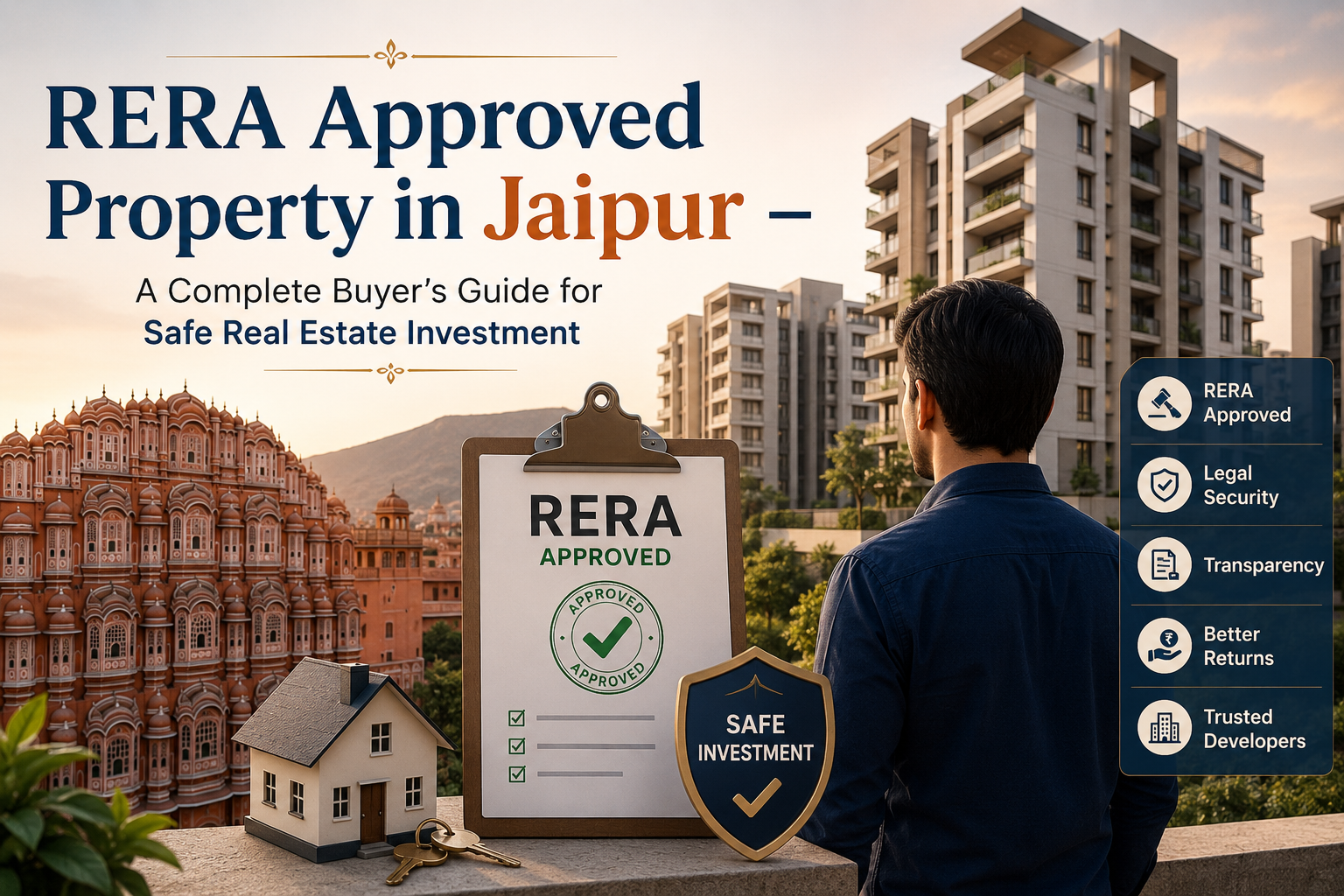


Buying a property is one of the biggest financial decisions most people make in their lifetime. Whether you are purchasing your first apartment, an independent house, a residential plot, or a commercial space, verifying the legal documents is just as important as selecting the right location.
Many buyers spend weeks comparing prices, visiting projects, and negotiating deals but overlook document verification. This single mistake can lead to ownership disputes, delayed possession, financial losses, or legal complications that may take years to resolve.
If you are planning to invest in Jaipur, understanding the legal side of property transactions can save you from unnecessary risks. This guide explains the complete property document verification process in simple language so you can make an informed and confident decision.
Property verification is the process of checking whether a property has clear legal ownership and whether all approvals have been obtained from the concerned authorities.
A properly verified property offers several advantages. It protects your investment, ensures smooth ownership transfer, improves loan approval chances, and minimizes the possibility of future legal disputes.
On the other hand, purchasing property without verification may result in:
Spending a little time verifying documents today can prevent significant financial problems later.
The first step is confirming that the seller has the legal authority to sell the property.
Ask for previous ownership records and verify how ownership has changed over time. Ideally, the ownership chain should be complete without unexplained gaps.
Check whether the property was:
Every ownership transfer should be supported by valid legal documents.
The Sale Deed is among the most important legal documents in any property transaction.
It confirms ownership transfer from the previous owner to the current owner.
Before proceeding, ensure:
Always compare the original Sale Deed with certified records whenever possible.
A clear property title means the seller has undisputed ownership rights.
An unclear title could indicate pending court cases, family disputes, or multiple ownership claims.
A legal expert can conduct a title search covering the previous 30 years to confirm that the title is marketable and free from complications.
This step becomes even more important for resale properties.
One of the most overlooked checks is verifying whether the property has any financial liabilities.
An Encumbrance Certificate helps determine whether:
A clean Encumbrance Certificate provides additional confidence that the property can be transferred without hidden liabilities.
Before purchasing any residential or commercial property, ensure all statutory approvals have been obtained.
Depending on the type of property, these approvals may include land-use permissions, building plan approvals, completion certificates, occupancy permissions, and utility connections.
Unauthorized developments may face penalties or demolition notices in the future.
If you are purchasing an under-construction property, verify whether the project is registered under the applicable real estate regulations.
A registered project generally provides better transparency regarding approvals, construction timelines, project details, and developer commitments.
Buyers should independently verify project information instead of relying solely on marketing brochures.
Not every piece of land can legally be used for residential purposes.
Before purchasing land or plots, verify whether the land has been approved for the intended purpose.
Buying land with incorrect land-use classification can create legal complications during construction or registration.
Request copies of recent property tax receipts.
Unpaid taxes can sometimes become the responsibility of the new owner after purchase.
Check whether:
This small verification step helps avoid future financial surprises.
Electricity, water, and sewerage records should reflect the correct property owner.
Mismatch in utility records may indicate incomplete ownership transfer or unresolved legal issues.
Ask the seller to provide the latest utility bills for verification.
Sometimes the actual site differs from official documents.
Measure the property or hire a licensed surveyor to verify:
The physical property should match the approved layout and legal records.
If purchasing directly from a developer, request copies of:
Never rely only on advertisements or verbal commitments.
Many buyers unintentionally increase their legal risk by making avoidable mistakes.
Some of the most common errors include trusting verbal promises, skipping legal verification to save time, paying large token amounts before checking documents, ignoring outstanding loans on the property, and failing to verify approvals independently.
Taking a systematic approach greatly reduces these risks.
Legal assistance is especially useful when:
A professional legal review often costs far less than resolving future disputes.
Before making the final payment, ensure you have verified:
Completing this checklist significantly reduces transaction risk.
Property purchases should never be based solely on location, pricing, or future appreciation expectations. A legally secure property offers far greater peace of mind than one with uncertain documentation.
By verifying ownership records, approvals, financial liabilities, and government documentation before signing any agreement, buyers can protect both their investment and future.
Whether you are purchasing a home for your family or making a long-term investment, careful legal verification remains one of the smartest decisions you can make.
The Sale Deed is one of the most important documents because it establishes legal ownership.
You should verify the Encumbrance Certificate and request a loan closure certificate if applicable.
Yes. Even newly launched projects should be checked for approvals, registrations, and legal compliance.
You can review basic documents yourself, but a legal expert can identify issues that are easy to miss.
Depending on document availability and property history, verification typically takes a few days to a couple of weeks.
Before finalizing your next property purchase, complete a thorough legal verification process. If you need guidance in understanding property documentation or evaluating available options, consult experienced professionals who can help you make a secure and informed decision.

Buying a property is one of the biggest financial decisions most people make in their lifetime. Whether you are purchasing your first apartment, an independent house, a residential plot, or a commercial space, verifying the legal documents is just as important as selecting the right location.
Many buyers spend weeks comparing prices, visiting projects, and negotiating deals but overlook document verification. This single mistake can lead to ownership disputes, delayed possession, financial losses, or legal complications that may take years to resolve.
If you are planning to invest in Jaipur, understanding the legal side of property transactions can save you from unnecessary risks. This guide explains the complete property document verification process in simple language so you can make an informed and confident decision.
Property verification is the process of checking whether a property has clear legal ownership and whether all approvals have been obtained from the concerned authorities.
A properly verified property offers several advantages. It protects your investment, ensures smooth ownership transfer, improves loan approval chances, and minimizes the possibility of future legal disputes.
On the other hand, purchasing property without verification may result in:
Spending a little time verifying documents today can prevent significant financial problems later.
The first step is confirming that the seller has the legal authority to sell the property.
Ask for previous ownership records and verify how ownership has changed over time. Ideally, the ownership chain should be complete without unexplained gaps.
Check whether the property was:
Every ownership transfer should be supported by valid legal documents.
The Sale Deed is among the most important legal documents in any property transaction.
It confirms ownership transfer from the previous owner to the current owner.
Before proceeding, ensure:
Always compare the original Sale Deed with certified records whenever possible.
A clear property title means the seller has undisputed ownership rights.
An unclear title could indicate pending court cases, family disputes, or multiple ownership claims.
A legal expert can conduct a title search covering the previous 30 years to confirm that the title is marketable and free from complications.
This step becomes even more important for resale properties.
One of the most overlooked checks is verifying whether the property has any financial liabilities.
An Encumbrance Certificate helps determine whether:
A clean Encumbrance Certificate provides additional confidence that the property can be transferred without hidden liabilities.
Before purchasing any residential or commercial property, ensure all statutory approvals have been obtained.
Depending on the type of property, these approvals may include land-use permissions, building plan approvals, completion certificates, occupancy permissions, and utility connections.
Unauthorized developments may face penalties or demolition notices in the future.
If you are purchasing an under-construction property, verify whether the project is registered under the applicable real estate regulations.
A registered project generally provides better transparency regarding approvals, construction timelines, project details, and developer commitments.
Buyers should independently verify project information instead of relying solely on marketing brochures.
Not every piece of land can legally be used for residential purposes.
Before purchasing land or plots, verify whether the land has been approved for the intended purpose.
Buying land with incorrect land-use classification can create legal complications during construction or registration.
Request copies of recent property tax receipts.
Unpaid taxes can sometimes become the responsibility of the new owner after purchase.
Check whether:
This small verification step helps avoid future financial surprises.
Electricity, water, and sewerage records should reflect the correct property owner.
Mismatch in utility records may indicate incomplete ownership transfer or unresolved legal issues.
Ask the seller to provide the latest utility bills for verification.
Sometimes the actual site differs from official documents.
Measure the property or hire a licensed surveyor to verify:
The physical property should match the approved layout and legal records.
If purchasing directly from a developer, request copies of:
Never rely only on advertisements or verbal commitments.
Many buyers unintentionally increase their legal risk by making avoidable mistakes.
Some of the most common errors include trusting verbal promises, skipping legal verification to save time, paying large token amounts before checking documents, ignoring outstanding loans on the property, and failing to verify approvals independently.
Taking a systematic approach greatly reduces these risks.
Legal assistance is especially useful when:
A professional legal review often costs far less than resolving future disputes.
Before making the final payment, ensure you have verified:
Completing this checklist significantly reduces transaction risk.
Property purchases should never be based solely on location, pricing, or future appreciation expectations. A legally secure property offers far greater peace of mind than one with uncertain documentation.
By verifying ownership records, approvals, financial liabilities, and government documentation before signing any agreement, buyers can protect both their investment and future.
Whether you are purchasing a home for your family or making a long-term investment, careful legal verification remains one of the smartest decisions you can make.
The Sale Deed is one of the most important documents because it establishes legal ownership.
You should verify the Encumbrance Certificate and request a loan closure certificate if applicable.
Yes. Even newly launched projects should be checked for approvals, registrations, and legal compliance.
You can review basic documents yourself, but a legal expert can identify issues that are easy to miss.
Depending on document availability and property history, verification typically takes a few days to a couple of weeks.
Before finalizing your next property purchase, complete a thorough legal verification process. If you need guidance in understanding property documentation or evaluating available options, consult experienced professionals who can help you make a secure and informed decision.